Real estate ERP systems like Yardi are designed for accounting and financial management, offering tools for lease administration, rent collection, and reporting. But they often lack the advanced customer relationship management (CRM) capabilities that modern real estate operators, REITs, and property managers require.
Integrating Yardi with Salesforce gives leasing, accounting, and operations teams a unified view of real estate data. The combined strengths of Yardi’s financial accuracy and Salesforce’s CRM workflows enable better cross-team collaboration, more responsive tenant engagement, and stronger decision-making across the organization.
Yardi-Salesforce Integration Approaches
There’s no one-size-fits-all method for connecting Yardi with Salesforce. CIOs, CFOs, Leasing Directors, and IT leaders need to evaluate which approach best fits their business unit goals, data requirements, and resources.
The three primary methods are:
- Extract, Transform, and Load (ETL) – Best for large-scale data migration and property acquisitions.
- API Integration – Ideal for real-time workflows like lease management, tenant onboarding, or renewals.
- Robotic Process Automation (RPA) – Useful for automating repetitive tasks where APIs aren’t available.
Each method has unique benefits and tradeoffs, from implementation complexity to data accuracy and system limitations.
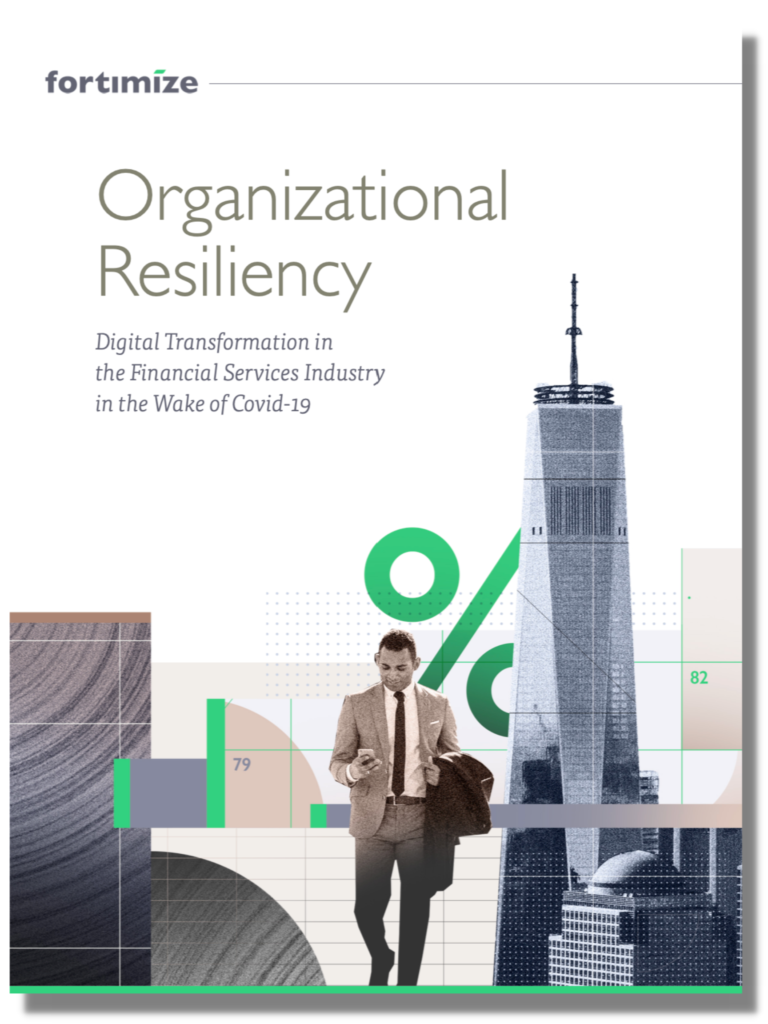
Our Yardi-Salesforce whitepaper provides:
- Why integrating Yardi and Salesforce creates measurable value
- A breakdown of integration approaches and when to consider each
- Key questions CIOs and operations leaders should ask when planning an integration
- Real-world examples of successful projects from property management firms
Key Benefits of Yardi and Salesforce Integration
- Unified Data View – One platform for prospects, tenants, properties, and financials improves collaboration across leasing, accounting, and operations.
- Improved Efficiency – Automating data flow reduces manual entry, minimizes errors, and speeds up leasing and accounting cycles.
- Enhanced Reporting & Analytics – Consolidated data delivers more accurate insights for finance and executive teams, supporting better portfolio planning.
- Scalability – Integration supports business growth by handling increasing data volumes and system complexity.
- Better Tenant Relationships – Unified, up-to-date tenant profiles enable more personalized service, boosting satisfaction and retention.
Fill out our form, and we’ll email you the whitepaper today.